Auto Draft Systems Explained: Identifying Mechanical Failures and Safety Risks
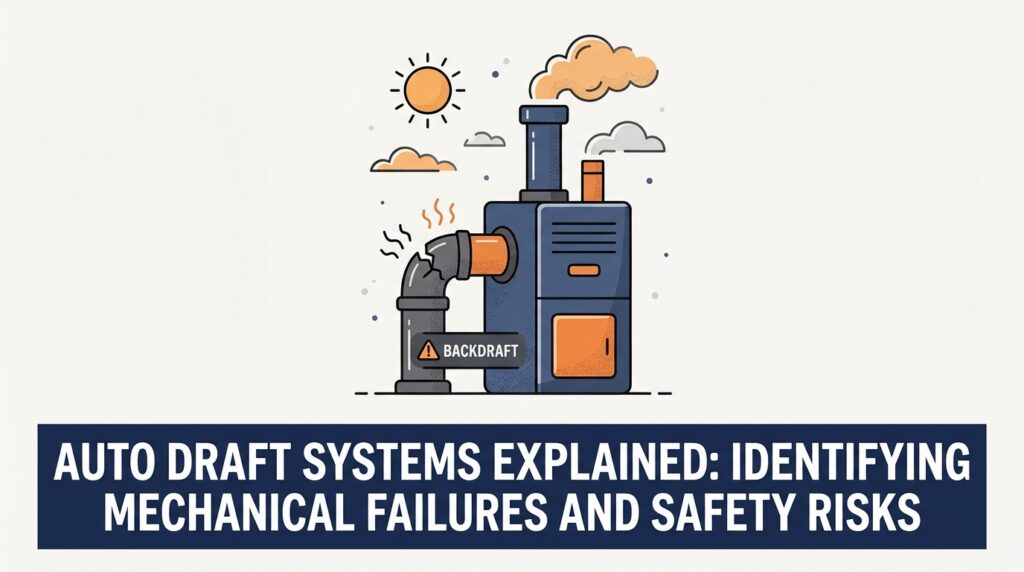
Addressing Furnace Safety: The Role of the Auto Draft Mechanism
Your furnace receives the signal to heat, a motor whirs to life, but instead of warm air filling the room, the system abruptly shuts down. When a heating cycle halts before it even begins, the culprit is often a built-in safety mechanism known as the Auto Draft system. This sequence of events is a common frustration for homeowners, especially when the temperature inside begins to drop. The system is intentionally locking itself out to prevent a much larger, potentially hazardous situation from developing.
At MLD Services, we have helped countless homeowners across the local area resolve these exact lockouts. If your heating equipment is locked out and you need immediate professional assistance, exploring our services is the most effective way to restore your home’s comfort and safety. However, deciding whether to call a professional right away requires a baseline understanding of how your system operates. Many homeowners begin investigating these issues by typing educational informational queries into search engines the moment their equipment makes an unusual noise. They want to know if a simple reset will fix the problem or if a critical component has failed.
Understanding the mechanics behind your furnace’s safety switches empowers you to make informed decisions. When you know what normal operation sounds like, you can quickly identify the grinding or whining noises that precede a total breakdown. This foundational knowledge bridges the gap between mechanical uncertainty and confident, professional resolution.
What Exactly Does an Auto Draft Do?
An Auto Draft system, commonly referred to as a draft inducer motor, is a critical mechanical ventilation component in modern combustion appliances that creates negative pressure to safely expel dangerous exhaust gases out of the flue before the ignition sequence is allowed to begin.
The operation of this system follows a strict, non-negotiable sequence. When your thermostat calls for heat, the control board does not immediately send gas to the burners. Instead, it sends voltage to the auto draft motor. This motor must spin up to full speed and successfully clear any residual gases from the heat exchanger. Only after this draft is established and verified will the system proceed to the ignition phase. If the motor fails to create sufficient draft, the system shuts down.
As general seasonal weather patterns shift and the transition into heavy winter usage begins, this auto draft motor experiences maximum operational stress. In our years of servicing heating systems throughout the local area, our team typically sees the auto draft motor accumulate wear and tear faster than almost any other component in the cabinet, simply because it is often the very first moving part to activate during a heating cycle and the last to turn off.
The Mechanics of Combustion Ventilation
To fully grasp why this component is so vital, you have to look at the physical movement of air within your heating equipment. Older, lower-efficiency furnaces relied on “natural draft,” where hot exhaust gases naturally rose up and out of a vertical metal chimney. Modern, high-efficiency systems extract so much heat from the combustion process that the exhaust gases are no longer hot enough to rise on their own. They need mechanical assistance.
This is where the inducer motor steps in. By rapidly spinning a blower wheel inside a specially designed housing, the motor creates a powerful vacuum. This negative pressure pulls fresh combustion air into the burner assembly, draws the hot gases through the serpentine curves of the heat exchanger, and forcefully pushes the toxic exhaust out through the PVC venting to the exterior of your home.
The draft motor works in direct partnership with another crucial component: the pressure switch. The pressure switch is a delicate diaphragm connected to the draft inducer housing via a small rubber tube. As the inducer motor creates a vacuum, that negative pressure pulls the diaphragm closed. Closing this switch completes an electrical circuit, signaling to the main control board that it is mathematically and physically safe to ignite the gas. If the motor is too weak, the venting is blocked, or the rubber tube is cracked, the switch remains open, and you have no heat.

The Critical Safety Function: Preventing Carbon Monoxide Exposure
The auto draft system is not just an efficiency feature; it is the primary life-safety mechanism of your heating equipment. According to Consumer Product Safety Commission (CPSC) guidelines regarding the necessity of combustion appliance ventilation, all fuel-burning appliances must have a reliable method for exhausting byproducts. Improperly drafting appliances are a leading cause of residential carbon monoxide exposure.
Carbon monoxide (CO) is an odorless, colorless, and tasteless gas produced by the incomplete combustion of fossil fuels like natural gas or propane. In a perfectly operating furnace, the combustion process is contained entirely within the heat exchanger, and the auto draft pushes all CO safely outdoors. The Environmental Protection Agency (EPA) sets strict indoor air quality standards specifically because long-term exposure to even low levels of CO can cause significant health issues.
The draft inducer acts as a fail-safe barrier. If a bird builds a nest in your exhaust pipe, if heavy snow blocks the exterior vent, or if the heat exchanger develops a crack, the draft inducer’s ability to maintain the correct pressure is compromised. The pressure switch detects this drop in vacuum and instantly kills the heating cycle.
| System Component Status | Operational Result | Safety Implication |
|---|---|---|
| Optimal Inducer Speed & Clear Flue | Pressure switch closes, ignition begins | Exhaust gases safely vented outdoors |
| Weak Motor Bearings (Low RPM) | Pressure switch flutters or stays open | System locks out; prevents incomplete combustion |
| Blocked Exhaust Flue (Ice/Debris) | Immediate loss of negative pressure | System shuts down; prevents CO backup into living space |
| Cracked Pressure Switch Tubing | Vacuum lost before reaching switch | System locks out; failsafe activates correctly |
Without this mechanism, a blocked flue would force carbon monoxide to back up into the furnace cabinet, where the main blower fan would then distribute it through the ductwork and into every room of your house. The auto draft system ensures that if the equipment cannot vent safely, it will not run at all.
Recognizing the Signs of a Failing Draft Inducer
Because the auto draft motor runs constantly during every heating cycle, it is highly susceptible to mechanical wear. Identifying the symptoms of a struggling motor early can prevent a sudden loss of heat during a freezing night. Homeowners frequently rely on educational informational queries to match the sounds they hear with specific mechanical failures. Here are the objective criteria to watch for, based on patterns we see often in the field:
- Auditory warnings (Grinding or Whining): The inducer motor relies on sealed bearings to spin quietly at high speeds. When these bearings begin to dry out or fail, the motor will produce a loud, metallic grinding, a high-pitched whine, or a pronounced rattling noise. This is usually the first sign of impending failure.
- Short-cycling behavior: If the motor is failing, it may not generate enough vacuum to keep the pressure switch closed consistently. The system will start, run for a few seconds, and then abruptly shut off. It may attempt this sequence three or four times before giving up entirely.
- Physical vibrations: A failing inducer wheel (the plastic or metal fan blade inside the housing) can become unbalanced due to built-up soot, rust, or physical cracks. This imbalance causes the entire furnace cabinet to vibrate noticeably when the motor engages.
- Acrid electrical smells: If the motor is seizing up, it will draw excessive electrical current trying to spin. This can cause the motor windings to overheat, producing a distinct burning electrical odor near the furnace.
Deciphering System Error Codes
Modern furnace control boards are equipped with diagnostic LED lights that communicate exactly why the system is not running. While you should never open sealed combustion compartments yourself, you can often view these indicator lights through a small clear plastic window on the lower blower door panel.
When a draft failure occurs, the control board will flash a specific sequence. For example, a board might flash three times, pause, and flash three times again. By consulting the diagnostic sticker usually located on the inside of the exterior panel (or by looking up the code online), you can determine if the board is reporting an “open pressure switch” or a “draft inducer fault.” This information is incredibly helpful to provide to your technician when you call for service.
The Dangers of Bypassing Safety Switches
When faced with a freezing house and a furnace that refuses to run, it is tempting to look for quick fixes. A quick search of online DIY forums often reveals dangerous advice about “jumping” or bypassing the pressure switch to force the system to ignite. Our team has responded to far too many calls where these risky workarounds led to severe damage. If you are just starting to learn about your HVAC system’s internal workings—a first introduction to home heating mechanics—it is critical to understand that safety switches are non-negotiable.
The mechanical consequences: Bypassing the pressure switch tells the control board that draft has been established, even if the inducer motor is completely dead or the flue is entirely blocked. The system will open the gas valve and ignite the burners. Without the inducer pulling the flames into the heat exchanger, the flames can roll backward out of the burner assembly. This phenomenon, known as flame rollout, will melt the wiring harness, destroy the control board, and potentially ignite combustible materials near the furnace.
The chemical consequences: As discussed earlier, forcing ignition without proper draft clearance traps exhaust gases inside the equipment. Carbon monoxide will rapidly accumulate and spill into the surrounding air. By bypassing the switch, you actively disable the only mechanism designed to protect your household from this invisible threat.
Furthermore, tampering with internal safety fail-safes immediately voids manufacturer warranties and drastically increases the risk of fire. While building foundational knowledge about how your system operates is incredibly valuable, the physical repair, replacement, and testing of combustion components is strictly a professional domain. Licensed technicians have the training and specialized tools required to safely diagnose the root cause of the failure without compromising the integrity of the equipment.
Objective Criteria: When to Call a Professional
Not every sound your heating system makes is a cause for alarm. The auto draft motor naturally produces a steady, low-pitched hum as it ramps up to speed. However, knowing the difference between normal operation and mechanical failure saves time, money, and stress. Use this objective checklist to determine when professional intervention is required:
- Persistent system lockouts: If your system attempts to start multiple times, fails to ignite, and then goes completely dormant for an hour or more, it has entered a hard lockout. A professional must reset and diagnose the underlying cause.
- Loud, metallic grinding: A gentle hum is normal; metal-on-metal grinding is not. This indicates catastrophic bearing failure in the draft inducer, and the motor will soon seize completely.
- Water pooling around the inducer: In high-efficiency condensing furnaces, the inducer housing handles moisture. If you see water leaking from the black plastic housing or the attached PVC pipes, there is a drainage blockage that requires professional clearing.
- Error codes indicating pressure switch failure: If the diagnostic LED flashes a pressure switch error, the problem could be a bad switch, a failing motor, a blocked flue, or a cracked heat exchanger. Only a technician can isolate the exact variable.
Our reliable and professional service standards mean we never guess when it comes to diagnosing crucial safety mechanisms. When our technicians arrive at your home, a professional diagnostic entails far more than just looking at the motor. A licensed technician from our team will use a multimeter to test the exact electrical amperage draw of the motor to see if it is overworking. They will use a digital manometer to measure the precise inches of water column (WC) negative pressure being generated, ensuring it meets the manufacturer’s exact specifications. Finally, they will inspect the entire length of the flue pipe for blockages and verify that the pressure switch opens and closes at the correct vacuum thresholds.
Ensuring Long-Term Safety and System Reliability
Understanding the role of your Auto Draft system transforms a stressful, unexpected breakdown into a manageable, informed situation. You no longer have to wonder why the system shuts off before producing heat; you know that it is actively protecting your home from poor ventilation and dangerous exhaust gases.
A well-structured, easy-to-understand explanation of your equipment’s internal mechanics empowers you to act safely and decisively when things go wrong. Instead of attempting risky workarounds, you can recognize the symptoms of a failing draft inducer early. To keep your safety mechanisms in top condition and prevent unexpected failures during the coldest months, consider scheduling a comprehensive professional evaluation. Routine maintenance ensures that every motor, switch, and vent is operating exactly as designed.
Need HVAC Service?
Contact the experts at MLD Services.
Call us at 512-528-4258!