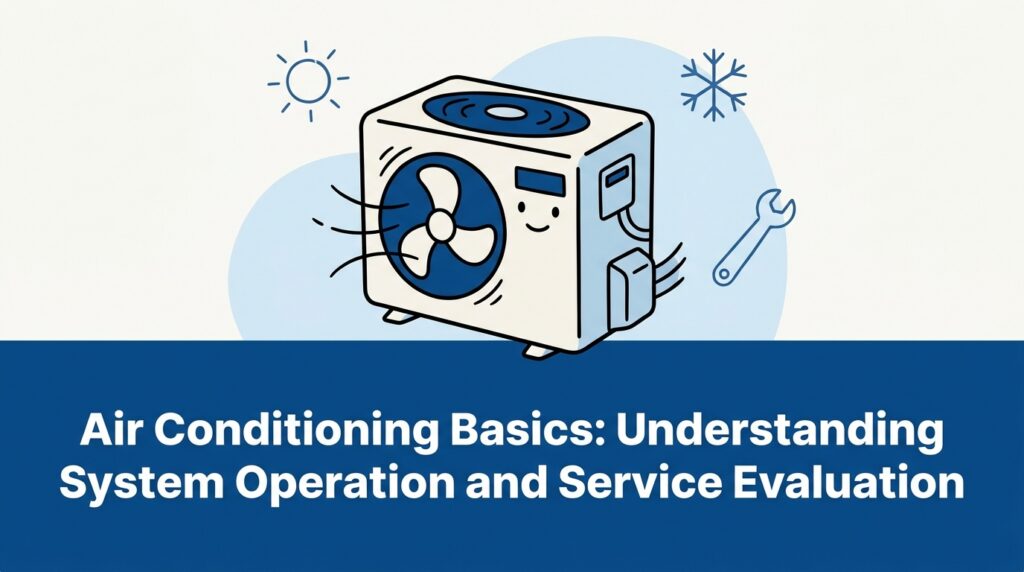
Air Conditioning Basics: Understanding System Operation and Service Evaluation
Navigating Air Conditioning Requirements and Service Options
If an Auto Draft pays your monthly utility bills, but your air conditioning system is running and the house still feels slightly warm, you might be left unsure if the equipment is operating at its true baseline. Evaluating standard service requirements for systems—especially aging 10 to 12 SEER units installed in the early 2000s—becomes a frustrating guessing game when specific project parameters are undefined. Without a strong technical background, it is difficult to know exactly what your cooling equipment needs to function efficiently. You might wonder if a simple cleaning will solve the problem, or if a deeper mechanical issue is hiding out of sight.
At MLD Services, our team typically sees that this uncertainty often leads to hesitation. Making decisions about professional service requires a clear understanding of what is happening inside your equipment. By establishing a structured framework, you can confidently determine whether your system requires routine baseline maintenance or a comprehensive diagnostic evaluation. This guide provides the neutral, expert knowledge necessary to understand your equipment and make informed decisions about its care.
If you need professional guidance right away, explore our professional air conditioning services to see how we can help restore your home’s comfort.
Core Components That Drive Your Cooling System
To make informed decisions about service, you first need to understand the fundamental parts of your cooling equipment. A central cooling system is not just a box that blows cold air; it is a complex network of mechanical and electrical components working together to move heat out of your living space. In our years of serving the local area, we find that much of the confusion stems from not knowing what these individual parts actually do, whether you own a standard 3-ton split system or a larger commercial unit.
Every system relies on four primary components to function: the compressor, the condenser, the evaporator coil, and the air handler. When these parts operate in harmony, your home stays comfortable and your energy bills remain stable. If even one component falls out of alignment or suffers from excess wear, the entire system must work harder to compensate, leading to decreased efficiency and potential breakdowns.
The Compressor and Condenser Unit
If you walk outside your home, you will see a large metal cabinet sitting on a concrete pad. This outdoor unit houses both the compressor and the condenser.
- The Compressor: Think of the compressor as the heart of the system. Its primary mechanical function is to pressurize the refrigerant gas, packing the molecules tightly together. This pressurization raises the temperature of the refrigerant, preparing it to release the heat it absorbed from inside your home.
- The Condenser Unit: Once the refrigerant is hot and highly pressurized, it moves into the condenser coils. The large fan at the top of the outdoor unit pulls outside air across these coils. Because the pressurized refrigerant is hotter than the outdoor air, the heat naturally transfers from the coils into the outside environment. This heat dissipation process cools the refrigerant back down into a liquid state.
The Evaporator Coil and Air Handler
The indoor portion of your equipment is usually located in a closet, attic, or basement. This indoor unit contains the evaporator coil and the air handler.
- The Evaporator Coil: The cooled liquid refrigerant travels from the outdoor unit inside to the evaporator coil. As warm indoor air blows across this cold coil, the refrigerant absorbs the heat. During this heat absorption process, the coil also pulls humidity out of the air, which drips into a drain pan and flows outside.
- The Air Handler: The air handler contains the blower motor. This motor is responsible for pulling warm air from your rooms through the return vents, pushing it over the cold evaporator coil, and then distributing the newly conditioned air back through your supply ducts.
The Refrigerant Cycle and High-Heat Climate Impact
The components described above do not operate in isolation. They are connected by copper tubing that allows R-410A or newer R-32 refrigerant to flow continuously between the indoor and outdoor units. This continuous loop is what makes indoor cooling possible.
The Heat Exchange Process
The Problem: Many homeowners mistakenly believe their system creates cold air from nothing. This misunderstanding makes it difficult to recognize when the system is actually failing.
The Cause: Cooling is actually a process of heat removal, driven by the refrigerant cycle. The refrigerant continuously transitions between a liquid and a gas state. It absorbs heat indoors as a low-pressure gas, travels outside, gets pressurized by the compressor, releases the heat as a high-pressure gas, condenses into a liquid, and returns indoors to start the cycle again. Proper refrigerant charge is absolutely necessary for this cycle to work. If the charge is low due to a leak, the system cannot absorb or release heat effectively.
The Solution: As local service experts, we often remind homeowners that understanding this cycle helps you recognize that warm air coming from your vents usually points to a disruption in the heat exchange process, signaling the need for professional evaluation rather than just a simple filter change.
Accelerated Wear in Extreme Temperatures
The physical toll on your equipment changes dramatically depending on where you live. In the local area’s high-heat climate, particularly during the peak summer window from June through September, air conditioning systems are required to operate near maximum capacity for five or more months out of the year. This is not a standard operational environment; it is an endurance test.
Continuous high-heat operation accelerates mechanical wear across the board. The compressor runs longer cycles, generating more internal heat. The blower motor works overtime to circulate air. Electrical components, particularly capacitors that provide the jolt of energy needed to start the motors, degrade much faster under these extreme temperatures. Because of this harsh climate, the baseline requirements for standard maintenance must shift. A system in a moderate climate might survive a skipped tune-up, but a system battling months of 95-plus degree heat requires stricter adherence to seasonal maintenance schedules to prevent sudden failure.
Maximizing Efficiency Through Routine Filter Management
While much of your system requires professional oversight, there is one highly actionable step you control: filter management. According to data from the U.S. Department of Energy, air conditioners account for approximately 6% of all the electricity produced in the United States, costing homeowners billions annually. You have a direct impact on how much of that energy your specific system consumes, especially when upgrading from basic 1-inch fiberglass filters to higher-efficiency pleated media filters.
The primary homeowner responsibility is establishing a regular filter replacement schedule. When a standard MERV 8 filter becomes clogged with dust, pet dander, and debris, it restricts the airflow entering the air handler. This restricted airflow creates a cascade of negative effects. The blower motor has to work much harder to pull air through the blockage, increasing electrical strain. Furthermore, because less air is passing over the evaporator coil, the coil can actually freeze solid, stopping the cooling process entirely.
The U.S. Department of Energy notes that replacing a dirty, clogged filter with a clean one can lower a unit’s energy consumption by 5% to 15%. This is a non-DIY maintenance task that directly impacts your monthly utility costs. Checking your filter once a month and replacing it at least every 90 days is the most effective way to protect your equipment’s baseline efficiency. For more insights on keeping your home running smoothly year-round, check out our Learning Center guides.
Evaluating General Local Service Inquiries: What to Expect
When system performance drops, homeowners naturally turn to the internet or call local professionals for help. Analyzing general local service inquiries reveals common patterns: our team notices that people often know something is wrong, but they do not know how to articulate the problem or what to expect from a service visit. Setting expectations for professional service baselines before a technician ever arrives is the key to a stress-free experience.
As committed local service experts dedicated to helping homeowners truly understand system baselines before they authorize any repairs, we believe in empowering you with knowledge at MLD Services. You should always receive neutral, expert guidance that explains the “why” behind a problem, rather than just a sales-driven repair recommendation.
Understanding Service Baselines
It helps to know what defines a standard operational check. A professional service visit should start with a clear conversation about your equipment’s history. Routine care involves verifying that the system is operating within the manufacturer’s specifications. This means checking the electrical draw of the motors (often measured in amps), ensuring the refrigerant pressure matches the ambient temperature, and confirming the thermostat is communicating correctly. Differentiating between this routine care and active mechanical troubleshooting is the first step in evaluating your service needs.
Communicating with Your Technician
You do not need to attempt a DIY diagnosis, but you do need to be an observant owner. When you schedule a visit with our team, clearly articulate the specific issues you are experiencing.
- Note any noises: Is there a grinding sound outside, or a squealing noise near the indoor closet?
- Check the airflow: Is the air coming out of the vents weak, or is it blowing strong but feeling warm?
- Track the cycling: Is the unit turning on and off every five minutes?
Preparing this system history, along with any previous service records, gives the technician a massive head start in evaluating your equipment accurately.
Baseline Maintenance vs. Comprehensive Diagnostics
The most common decision point homeowners face is choosing between a standard tune-up and a deep diagnostic visit. Using a structured evaluation framework empowers you to make informed service requests.
- Assess for Baseline Maintenance: Baseline maintenance is preventative. You should schedule this during routine spring seasonal preparation and there are no existing performance issues. The system turns on, cools the house, and sounds normal. During this visit, a technician focuses on cleaning the condenser coils, inspecting the electrical components for wear, clearing the condensate drain line to prevent water backups, and making minor operational adjustments.
- Identify the Need for Comprehensive Diagnostics: Diagnostics are investigative. You need this level of service when the system is actively failing to meet your cooling needs. Criteria for a diagnostic visit include unusual operational noises (banging, hissing, or grinding), warm air blowing from the supply vents, or frequent short-cycling where the unit rapidly turns on and off every 3 to 5 minutes.
- Understand the Diagnostic Process: During a diagnostic evaluation, the technician goes beyond cleaning. They perform advanced electrical testing to find shorts or failing motors, use specialized tools like electronic sniffers for refrigerant leak detection, and conduct detailed component failure analysis to determine exactly why the system stopped working.
| Service Category | When to Request It | What the Technician Does |
|---|---|---|
| Baseline Maintenance | System works fine; routine seasonal prep. | Cleans coils, clears drains, tightens electrical connections. |
| Comprehensive Diagnostic | Warm air, strange noises, system won’t start. | Tests voltage, searches for refrigerant leaks, analyzes failed parts. |

Making an Informed Decision for Your Cooling System
Understanding the core components of your AC unit and how the refrigerant cycle operates gives you a significant advantage as a homeowner. You now know that the compressor, condenser, evaporator, and air handler must work together to remove heat from your home, and you understand how extended high-heat climates accelerate the wear on these parts.
By using the structured evaluation framework provided, you can confidently decide whether your current situation calls for routine baseline maintenance or a comprehensive diagnostic investigation. Proactive system care is the best way to mitigate the harsh effects of extreme weather and keep your energy costs under control. If you are noticing signs of strain or simply want to ensure your equipment is prepared for the season ahead, whether you have a brand-new 18 SEER variable-speed unit or a 15-year-old workhorse, contact our team to schedule a professional, neutral evaluation today.
Frequently Asked Questions
What is included in standard AC maintenance?
At MLD Services, we emphasize that standard maintenance includes cleaning the condenser coils, clearing the condensate drain line, and inspecting electrical connections. A technician will also check the motor’s amperage draw and verify that the system is operating within the manufacturer’s baseline specifications. This routine care is designed to prevent unexpected breakdowns and keep the equipment running efficiently. It does not typically include deep troubleshooting for broken parts.
How do I know if my AC needs a diagnostic?
You need a diagnostic if your system is exhibiting clear performance issues, such as blowing warm air or making unusual grinding or squealing noises. Frequent short-cycling, where the unit turns on and off every few minutes, is another major indicator. A diagnostic visit involves specialized testing to isolate a specific mechanical or electrical failure. If the system cannot maintain the temperature set on your thermostat, a diagnostic is the correct next step.
What are the basic components of an air conditioning system?
The four primary components are the compressor, condenser unit, evaporator coil, and air handler. The compressor and condenser are located outside and work to pressurize the refrigerant and release heat. The evaporator coil and air handler are located inside; they absorb heat from your indoor air and circulate the cooled air back through your home’s ductwork. All four parts must function together for the system to cool effectively.
How does an air conditioning system work to cool my home?
An air conditioning system cools your home by removing heat, rather than creating cold air. It uses a continuous refrigerant cycle that absorbs heat from the indoor air at the evaporator coil. The refrigerant then travels to the outdoor unit, where the compressor pressurizes it and the condenser releases the absorbed heat into the outside air. The cooled refrigerant then returns indoors to repeat the process.
Why is routine filter replacement critical for AC efficiency?
Routine filter replacement prevents dirt and debris from blocking the airflow into your air handler. When airflow is restricted, the blower motor has to work significantly harder, which increases your system’s energy consumption. According to the Department of Energy, changing a dirty filter can reduce your unit’s energy use by up to 15 percent. Keeping the filter clean also prevents the indoor evaporator coil from freezing over.
Need HVAC Service?
Contact the experts at MLD Services.
Call us at 512-528-4258!